

(860) 247-2245
(800) 570-5544
Specializing In Quick Release For All
Failure to Appear in Connecticut – What You Must Know
(860) 247-2245
Open 24/7 Financing Available
When released on bail in Connecticut, showing up for every court appearance isn’t just a formality; it’s a legal responsibility with real consequences. Failing to appear can jeopardize your freedom and place serious financial and legal burdens on those who backed your bond. Don’t risk it. Honor your commitment and protect everyone involved.
Even though there can be unexpected situations that can cause you to miss court, there can be serious penalties for missing court, no matter the reason. Whether you’ve posted bail with or without a bondsman, here’s a look at some of the most considerable consequences after being charged with a failure to appear in Connecticut.
What Happens When a Defendant is Charged With a Failure to Appear in Court (Connecticut)
Here are the most common consequences when someone released on bond misses a court appearance in Connecticut:
- An arrest warrant is issued
- Additional criminal charges
- Legal action from the bail bond company
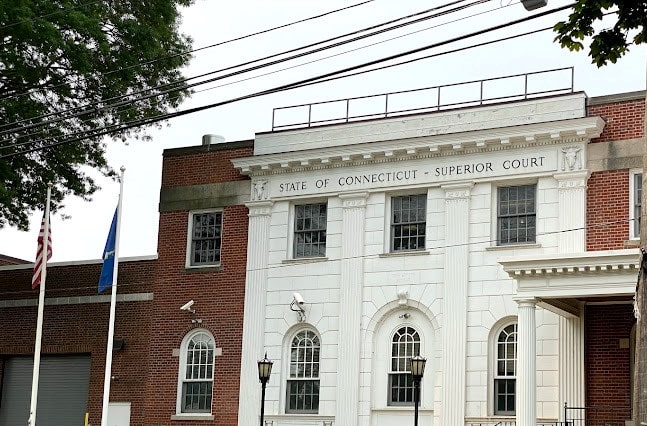
An Arrest Warrant Is Issued
If the defendant fails to appear at a court hearing, the judge will issue a warrant for their re-arrest. This is a bench warrant with a set bond amount.
The accused can be taken into custody at any time once this has been issued. Although police won’t go and actively search for the defendant, any run-ins with the law, such as a pull-over for a speeding ticket or other traffic stop, can result in an arrest.
Having an arrest warrant for missing court allows local and State Law Enforcement to serve the warrant at any time. If you are unsure about a possible failure to appear in court warrant, check the Judicial website (arrest warrant database).
Additional Criminal Charges
If a defendant fails to appear in court, additional criminal charges will be issued.
- Failure to appear is a Class A misdemeanor that’s punishable up to a full year in jail with a fine of up to $2,000.
- When a defendant misses court and one or more charges are a felony, the failure to appear is an additional felony offense.
- Failure to appear in the first degree is a Class D felony. A Class D felony offense has a maximum penalty of up to 5 years in prison with a fine of up to $5000.
- In high-profile cases, defendants could risk losing the ability to be released again. Judges, at their discretion, can set high bonds or deny bail altogether if they believe the defendant is a flight risk.
Legal Action From The Bail Bond Company
By posting bail, a bail bond agency makes a formal commitment to the court that the defendant will show up for their scheduled appearances. If the defendant fails to appear, the agency takes immediate action, tracking them down and working to return them to custody in order to avoid paying the full bail amount.
Bail posting in Connecticut is a serious responsibility built on trust and accountability. If a defendant missed court unintentionally, they must contact the bonding agency as soon as possible so they can help clear the mishap.
While Connecticut bail agencies have the resources to bring defendants back to court, they only have a set time frame by the court to bring them back. Once Fugitive Recovery Agents are involved to find bail absconders, it’s highly recommended that cosigners help investigators as they are looking to protect them from having to pay the bond themselves.
In the case that the agency cannot find the defendant and has to pay the full bail amount, they have the right to take legal action against the individual who signed liability on the bond.
The financial repercussion of having to pay the bail amount as a consequence of the failure to appear doesn’t eliminate the active re-arrest warrant.
Appeal A Failure To Appear In Court
Facing a failure to appear charge in Connecticut comes with serious consequences, but life doesn’t always cooperate with court dates. Emergencies, illness, and unexpected events can derail your plans, even with the best intentions. That’s why it’s best to communicate proactively with the court or your legal counsel to avoid compounding your legal troubles.
There may also be other occurrences where a failure to appear in court was caused accidentally by the courthouse. In these situations, there are ways to appeal to the court to lighten the consequences.
Some acceptable reasons in which a judge may be more lenient in vacating a failure to appear in court (FTA) charge may depend on the proof you present.
Secure Proof of Your Visit to the Courthouse
In certain cases, failure to appear charges were not willfully earned by the defendant, yet the accused was charged as if they didn’t show up because of a lack of information and understanding.
The courthouse staff may have misspelled names, or court dates could have been mixed with other locations. Defendants, who were present, may have never been called.
It’s always important to secure proof of your appearance, even if you’re told to leave, before exiting the courthouse. When you see the clerk, be sure to ask for any sort of documentation that you were there before going, so you can prove that you didn’t fail to appear and that the situation was not willful.
Life Circumstances
Life can always come in the way. Being ill, family deaths, emergencies, and other unexpected events can make it impossible to attend court. If you can provide proof, contact the courthouse the same or the next day to have your rearrest vacated, which means that the warrant is canceled and put back onto the court’s docket or calendar to be rescheduled for a later date.
No Notification for Hearing
This is a readily accepted excuse for missing a court hearing. By law, the defendant will be notified about the date of your hearing. If you have not received any notification about your date of hearing, the bench would not penalize you. But make sure that you have listed the correct address in the court file.
When you’re dealing with criminal charges, adding a failure to appear (FTA) can drastically change the level of support available to you, especially from bail bond companies. These agencies operate on trust and financial risk. If a defendant misses court, it signals to the agency that the individual may not follow through on legal obligations. That missed appearance forces the bail bond company to spend time, resources, and sometimes hire recovery agents to locate and return the person to custody. Beyond the immediate costs, repeated or serious FTAs can put the company’s reputation and licensure at risk.
As a result, many bail bond agencies may refuse to post bail for someone who’s missed court. To protect themselves from further liability, they often limit or deny future assistance. It’s a tough but necessary call. That’s why attending every court date and communicating promptly if circumstances get in the way is not just about keeping your record clean. It’s also about preserving the support network you may need most.
In Connecticut, a failure to appear in court can cause a range of consequences, including the ability to obtain bail. Judges may consider a defendant a “high risk” and set higher bail amounts. On the other side, the assistance from bail bond agencies can become scarce as you build up FTA charges. A bank looks for a good credit score, while a bondsman looks at whether you go to court or not.
Having a loved one accused of a crime in Connecticut is stressful, anxious, and overwhelming. The professional bail agents at 3-D Bail Bonds will help. For years, our trusted team has assisted those in stressful situations, offering 24/7 consultations to ensure a fast jail release for our clients. We provide free financing with 0% interest. We also have Spanish-speaking agents available (También tenemos agentes de habla hispana disponibles 24/7). To learn more about our affordable bail bonds service, call (860) 247-2245 and speak to our team of agents at the main office in Hartford.